Bachelor’s tuition
€12k–62k
Per year · selected bachelor’s incl. medicine; intake varies

Explore English-taught degrees, applied learning and graduate opportunities in a connected technology and life-sciences economy.
Start your journey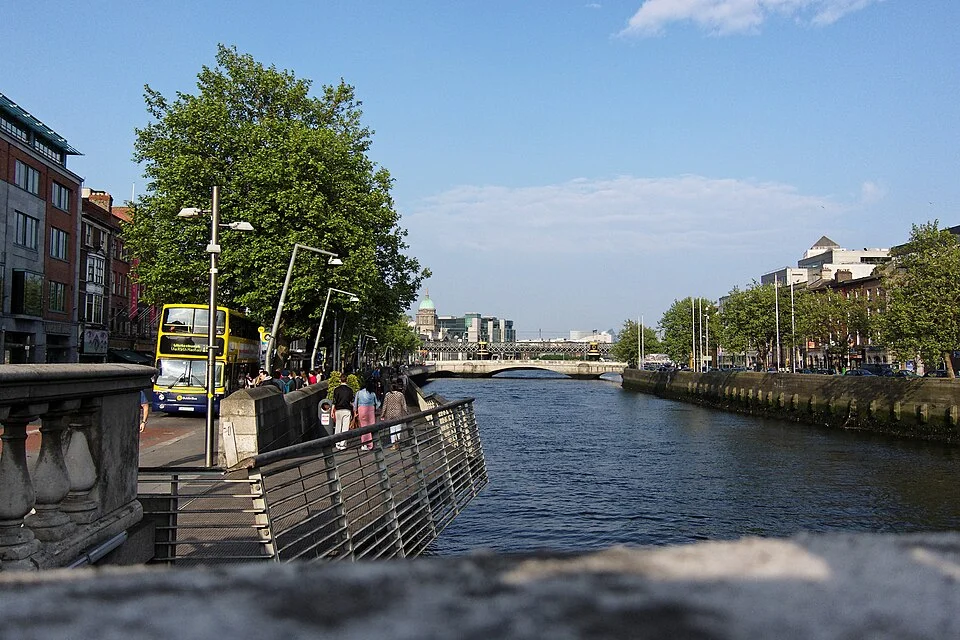
€12k–62k
Per year · selected bachelor’s incl. medicine; intake varies
≈ €1,400
Per month
English
Check each programme’s entry requirements
12–24 months
Eligible Level 8 / Level 9+ awards; conditions apply
Ireland combines applied university education with established technology, pharmaceutical and medical-technology industries. Match the course to your academic background, then assess the full cost of living and the career route it supports.
IDA Ireland · sector strategy (opens in a new tab)These are selected universities and courses from the many we work with. Contact us to explore more options.
Dublin
Computing study in a research university, with options combining computer science and linguistics.
Consult about this universityCheck school qualification equivalence, mathematics and English requirements for the selected course. Annual student levies are additional to tuition.
Dublin
A conversion route into computing, covering software development and practical technical skills.
Consult about this universityThis conversion master’s is intended for graduates from non-computing backgrounds. Check degree eligibility and English requirements. The quoted tuition covers the full 16-month programme.
Cork
Postgraduate options linking business decisions, analytics and computing.
Consult about this universityCheck the relevant degree, grades and English requirements for each course. The 2026/27 annual capitation fee of €210 is additional.
Dublin
Specialist healthcare education in medicine, pharmacy and physiotherapy, combining scientific study with clinical learning.
Consult about this universityMedicine takes five or six years depending on entry qualifications. Check science subjects, qualification equivalence and English requirements for each programme. Pharmacy is an integrated MPharm. Listed fees are before scholarships: privately funded pharmacy and physiotherapy students may qualify for RCSI’s €7,000 annual scholarship. Registration and health-screening charges may be additional.
Athlone & Midwest campuses
Applied technology, business and life sciences, with specialist taught master’s options.
Consult about this universityConfirm the campus, academic prerequisites, English requirements and award level for your chosen programme.
West & northwest Ireland
Applied computing and regional-campus study options.
Consult about this universityCheck whether your selected course is an ordinary or honours bachelor’s award; graduate immigration eligibility differs by award level.
26+Universities & colleges
3,500+English-taught study options
Across Ireland · wider directories, beyond our featured selectionEducation in Ireland lists 26 university and college providers, including constituent colleges. Studyportals displays approximately 2,000 undergraduate and 1,700 postgraduate listings; 3,500+ is a conservative rounded minimum. Those catalogues also include foundation, diploma and other study options, so this is not a bachelor’s/master’s-only total. Listings and intake availability change.
Checked 16 October 2026. A + indicates a verified minimum. Figures describe wider study options; the cards above are selected examples.
Tell us the institution and course you’re considering.
Selected English-taught options. Integrated degrees combine study towards a professional qualification; check school-leaver entry requirements. Clinical careers require professional registration and may require local-language skills. Fees are before scholarships and exclude living costs unless stated. Confirm the programme, intake, duration and final fee with the institution.
Tuition, everyday costs and the requirements behind an application.
The examples above are selected institution fees, not a national average. TUS lists taught master’s fees of approximately €14,500–€21,500 for 2027/28. Scholarships and additional charges must be checked separately.
TUS · 2027/28 fees (opens in a new tab)Allow around €1,400 per month for living costs. This figure is based on an older survey, so check current rental prices. Budget separately for insurance, registration, deposits and travel.
TUS · living costs (opens in a new tab)For a bachelor’s, check recognition of your school qualification and required subjects. For a master’s, check the degree, subject background and grades accepted by the programme. Requirements differ by institution.
Check the programme’s accepted English tests or exemption rules. Prepare transcripts, qualification certificates and any requested statement, references or portfolio before the application deadline.
An admission offer is one part of the process. Confirm the current residence requirements, funding evidence, insurance and accommodation arrangements before making travel plans.
Explore funding for your degree, with routes for Indian and other international applicants.
€10,000 + one year’s fees
A stipend for one year of full-time study, with a full tuition and registration fee waiver from the host institution for that year.
50% or 100% tuition scholarship
Competitive tuition awards for eligible full-time programmes at University College Dublin. Living costs need a separate budget.
Competitive full scholarships
Selected joint master’s programmes offer scholarships covering participation costs, with support for travel, visas and living expenses.
Let’s match your course, academic profile and budget to the available funding routes.
Discuss scholarshipsAwards are competitive and programme-specific. Check the linked call for your intake, nationality, funding limits and renewal conditions before applying.
Eligible Level 8 honours graduates can receive up to 12 months on the graduate programme. Level 9+ graduates can receive up to 24 months, with a conditional second year. Stamp 1G permits full-time employment, but not self-employment; a qualifying route is needed to remain longer.
Irish Immigration · graduate programme (opens in a new tab)Guidance that starts with your goals.
Discuss your goals, academic background and budget.
Prepare your university application and visa documentation.
Get ready for your studies and the opportunities ahead.
The listed tuition examples are intended for non-EU students. Check the year, currency and charging period on each programme. Scholarships, living expenses and additional charges need separate confirmation.
The graduate route above describes the available framework, subject to eligibility and application deadlines. It is not automatic residence or a guarantee of employment, and does not grant an unrestricted right to work throughout the EU.
Tell us about your study plans. We’ll help you understand your options.
Dublin · River Liffey · Barcex · CC BY-SA 3.0. Resized, WebP format; cropped to fit the layout. The photograph retains its stated licence.
Last reviewed · Guidance for applicants and businesses based in India.